
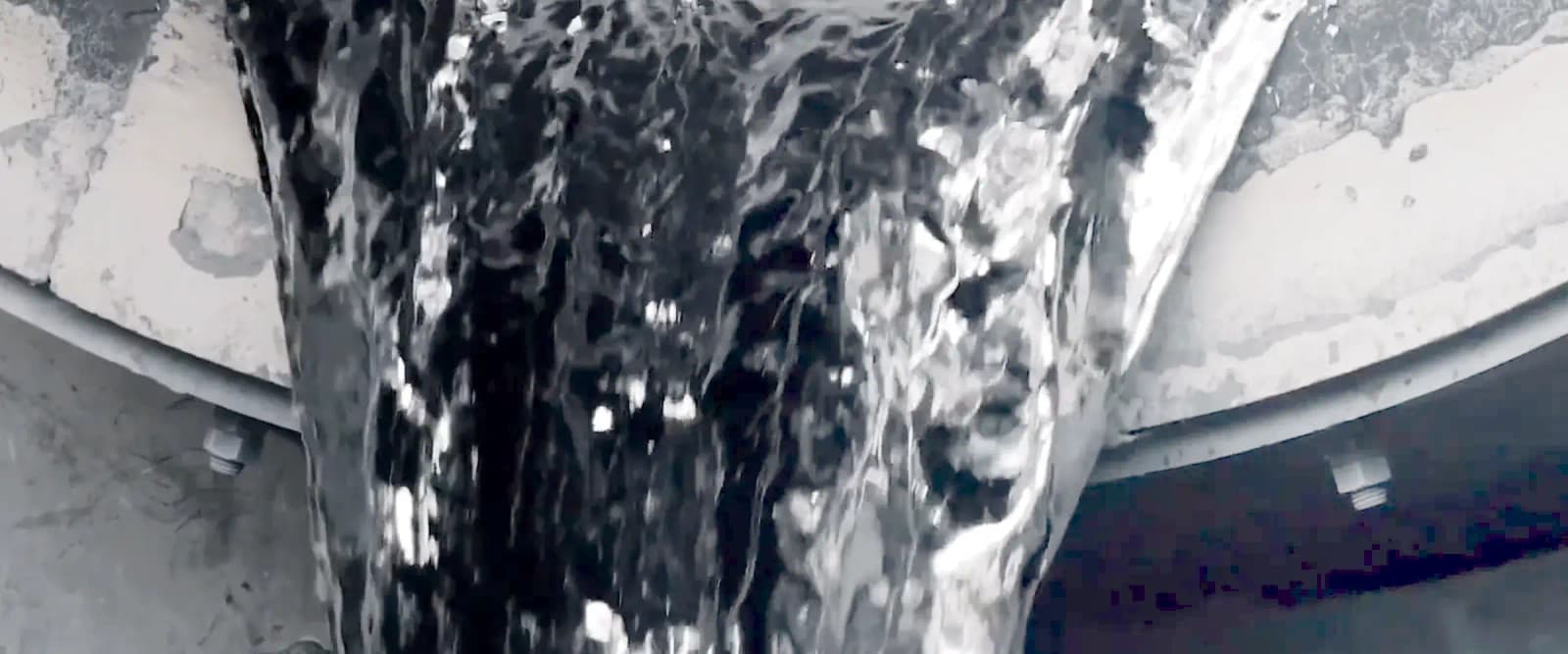
Green manufacturing
Low-carbon aluminium, because of what goes into the furnace.
Pride Metal Industries produces no primary aluminium. Every tonne that leaves Butibori began as dross or scrap, which is why the metal carries roughly 96.6% less CO₂e than the same tonne smelted from ore — and why the environmental case here is arithmetic rather than a pledge.
96.6%
lower CO₂e than primary aluminium
95%
less energy than primary production
100%
recycled feedstock — no ore, ever
72,900t CO₂e
avoided per year at full capacity
Why it is lower
Three of the four most emissions-intensive stages simply do not happen here.
Primary aluminium is made by mining bauxite, refining it into alumina, then electrolysing that alumina in a smelter — a process so electricity-hungry that its footprint is dominated by whatever generates the grid it runs on. Those three stages account for the overwhelming majority of the metal's carbon.
A secondary plant starts after all of them. The metal already exists; the job is to recover it and put it back into usable form. That is why the sector figures are so far apart: about 15.1 tonnes of CO₂e per tonne for primary metal against about 0.52 tonnes per tonne for recycled — roughly a twentieth.
This is not a process we adopted for environmental reasons and it is not a marketing position. It is what a dross and scrap recycler is. The environmental benefit is a consequence of the business model, which is precisely why it is durable.
Stated plainly: our melting furnaces are coal-fired, run at 7–8% below standard industry consumption. That is a real emission and we publish it rather than hide it behind the recycling figure. The comparison above is about the metal you buy, not a claim that this plant emits nothing.
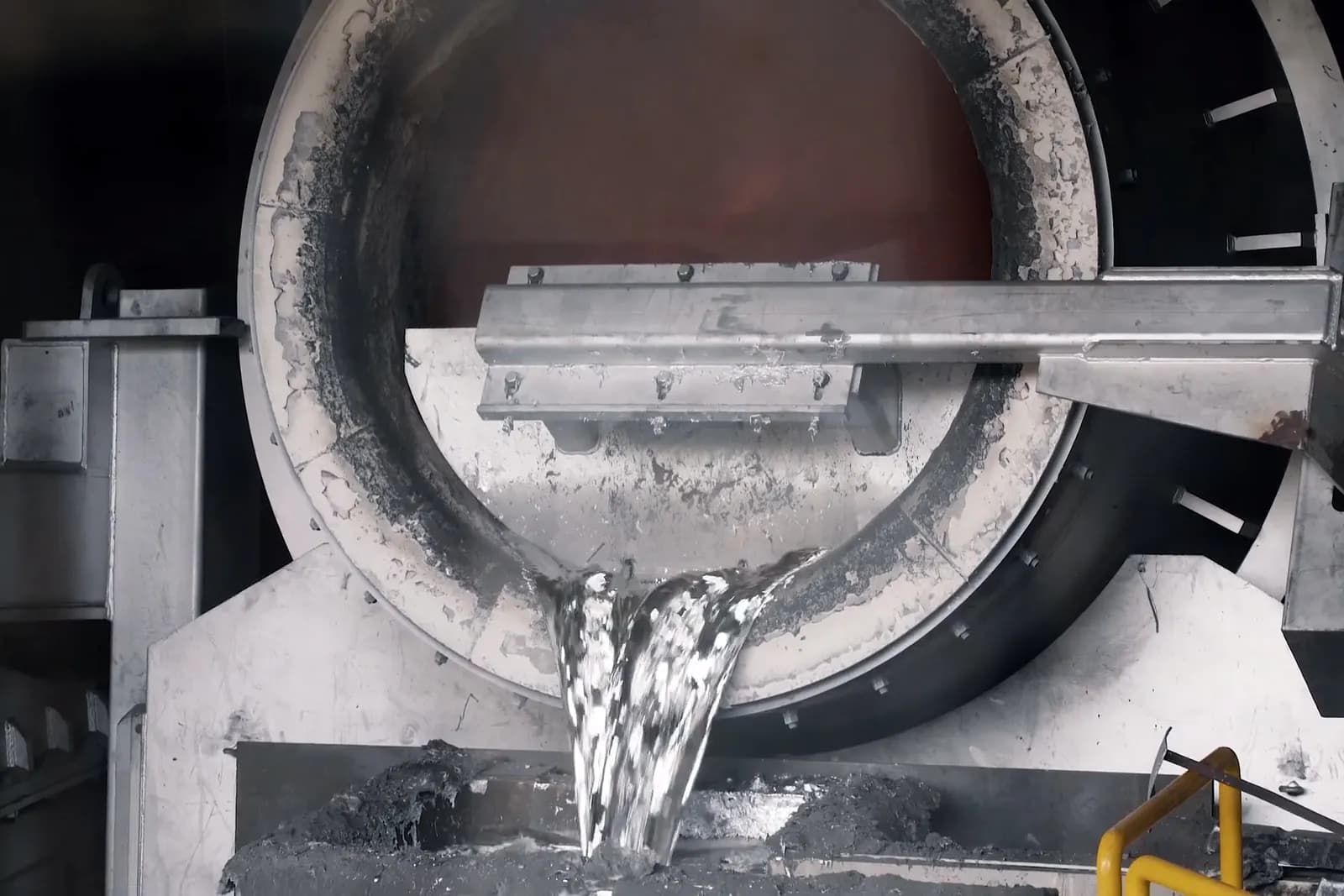
Per tonne of aluminium
- Primary
- 15.1 t CO₂e
- Recycled
- 0.52 t CO₂e
Sector averages from the International Aluminium Institute. Primary cradle-to-gate, recycled gate-to-gate. Sector averages — not measurements of this plant.
The closed loop
Waste in, metal out, residue into a second product.
Most secondary plants close three quarters of the loop and pay to dispose of the rest. Calcining the dross residue into alumina powder closes the last quarter.
- 01
Waste in
Dross and process scrap arrive from extruders, die casters, rolling mills and smelters — material those plants are otherwise paying to remove.
- 02
Metal recovered
Aluminium bound into the oxide matrix is separated and melted. No bauxite, no alumina refining, no smelting — the three stages that carry almost all of primary aluminium's emissions.
- 03
Product out
Ingots, circles, utensils and alloys, at 97.5–99.5% aluminium content. The metal does not degrade through the cycle; it can be recycled again indefinitely.
- 04
Residue processed
What remains after metal recovery is calcined into alumina powder and sold into refractories, ceramics and abrasives — rather than becoming landfill.
Aluminium can be cycled through this loop indefinitely without losing its properties — which is what makes the saving permanent rather than one-off.
Environmental controls
What is installed on the floor.
Equipment and measurable practice. Each of these is checkable on a plant visit, which is the standard we hold environmental claims to.
Bag filters
Particulate control on melting
High-efficiency bag filters and dust collection systems on the melting operation.
Zero discharge
Zero-discharge water
Process water is recycled and reused inside the plant rather than discharged.
7–8%
Reduced coal consumption
Melting runs 7–8% below standard industry coal consumption for comparable output. The furnaces are coal-fired and we say so.
100%
No primary metal
Nothing entering this plant has been smelted from ore. The feedstock is entirely recovered material.
For your reporting
What this is worth to a buyer with emissions targets.
Aluminium is usually a material Scope 3 line for anyone who forms, casts or assembles it. Switching the input from primary to recycled metal moves that number more than most efficiency projects will.
- Recycled-content metal for products with an environmental declaration
- A supplier whose feedstock is entirely recovered material — no mixed sourcing to unpick
- Documentation of what we can and cannot evidence, agreed before you order
- A short haul from Central India rather than an imported tonne
What we do not claim
No GreenPro or ISO 14001 certification
We hold neither at present. If your procurement requires one, say so at enquiry stage — it is a better conversation now than at audit.
No carbon-neutral claim
The plant is coal-fired. The metal is low-carbon relative to primary; the operation is not zero.
No third-party verified LCA
The figures on this page are published sector averages, attributed and shown with their arithmetic — not an audited product footprint.
Where it happens
The same eight stages, seen from the environmental side.
- 01
Feedstock intake
Dross & scrap
- 02
Recovery & preparation
Sorting
- 03
Melting
11+ furnaces
- 04
Chemistry & casting
97.5–99.5% Al
- 05
Rolling
3 mills
- 06
Blanking & spinning
12+ machines
- 07
Quality control
Verification
- 08
Packing & dispatch
Butibori, Nagpur
Questions
About the carbon case.
How much lower is the carbon footprint of recycled aluminium?
The International Aluminium Institute puts primary aluminium at 15.1 tonnes of CO₂e per tonne produced (cradle-to-gate) and recycled aluminium at 0.52 tonnes per tonne (gate-to-gate) — a saving of about 96.6%. Recycling also uses roughly 95% less energy. Those are sector averages for the two production routes, not measurements of our plant.
How much CO₂e does buying from Pride Metal avoid?
At our full rated capacity of 5,000 MT per annum, choosing recycled metal over primary avoids roughly 72,900 tonnes of CO₂e a year — (15.1 − 0.52) × 5,000. It is an indicative figure using published sector averages, and we show the arithmetic so you can check it against your own reporting basis.
Do you hold GreenPro, ISO 14001 or a similar certification?
Not at present. We describe the equipment we run and the material we use, both of which are verifiable on a plant visit, rather than publish a certification we do not hold. If your procurement process requires a specific certification, tell us which one at enquiry stage.
Can you supply data for our Scope 3 reporting?
Tell us what your reporting framework needs and we will tell you what we can evidence today and what we cannot. We would rather agree that up front than have it become a problem at audit.
Is recycled aluminium lower quality than primary?
Aluminium does not degrade through recycling — the metal keeps its properties. What matters is the composition you receive, which is why chemistry is targeted before casting and held between 97.5% and 99.5% aluminium content.
Request a quotation
Buying recycled metal is the easiest emissions decision on your list.
Send your specification and volume. We will quote, and tell you exactly what we can evidence.